Motherhood on the Frontlines of A Changing Climate
Climate change is reshaping motherhood in ways rarely documented. While research highlights how extreme weather, such as heat waves, wildfires, and floods, cause infrastructure damage and worsen maternal and neonatal health outcomes, the lived experiences of mothers navigating these crises remain largely untold.
This project goes beyond the data, using a photo essay and short film (forthcoming) to capture the intimate realities of mothering during and after climate-induced disasters. It documents the experiences and knowledge of mothers across different generations living in two distinct contexts. It includes interviews and observations of mothers living in peri-urban and rural contexts, Epworth and Chimanimani.
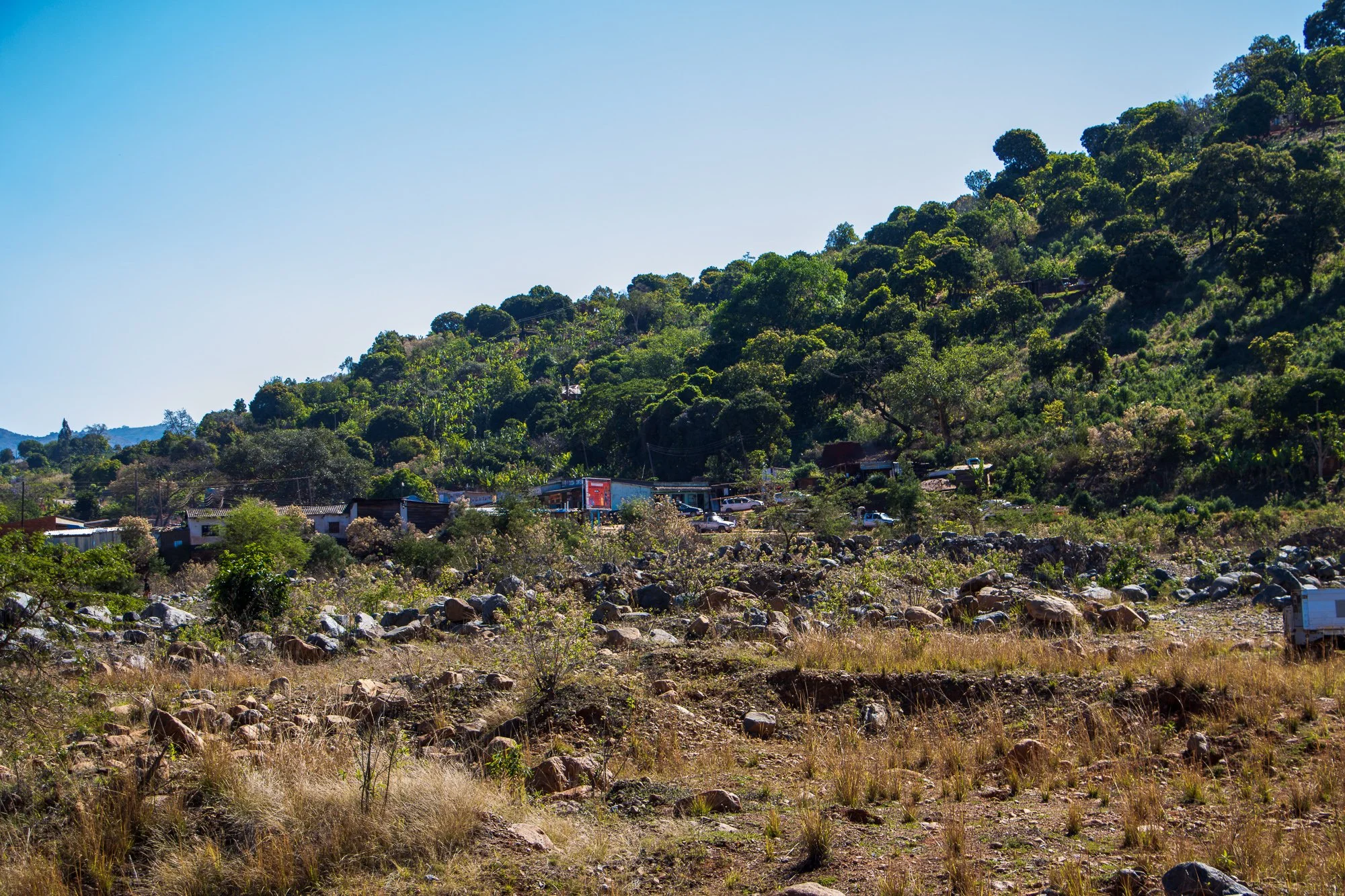
Both areas are climate-vulnerable areas with Kopa, Chimanimani, having been the hardest hit district during 2019 Cyclone Idai. Epworth is a rapidly growing town that faces challenges with infrastructure development and limited viable economic opportunities for families. This story was funded by Akina wa Mama Afrika under their storytelling grant.
Phase 1: August - December 2025
In March 2019, Tropical Cyclone Idai affected Madagascar, Mozambique, Malawi and Zimbabwe. It arrived in Zimbabwe on March 15 and changed lives of many communities across Chimanimani and Chipinge. There was high level of infrastructure damage ranging from bridges connecting Kopa to the rest of Chimanimani to clinics and police stations being affected. According to UNICEF, thirteen health care facilities in Chimanimani district were inaccessible.
Kopa, Chimanimani
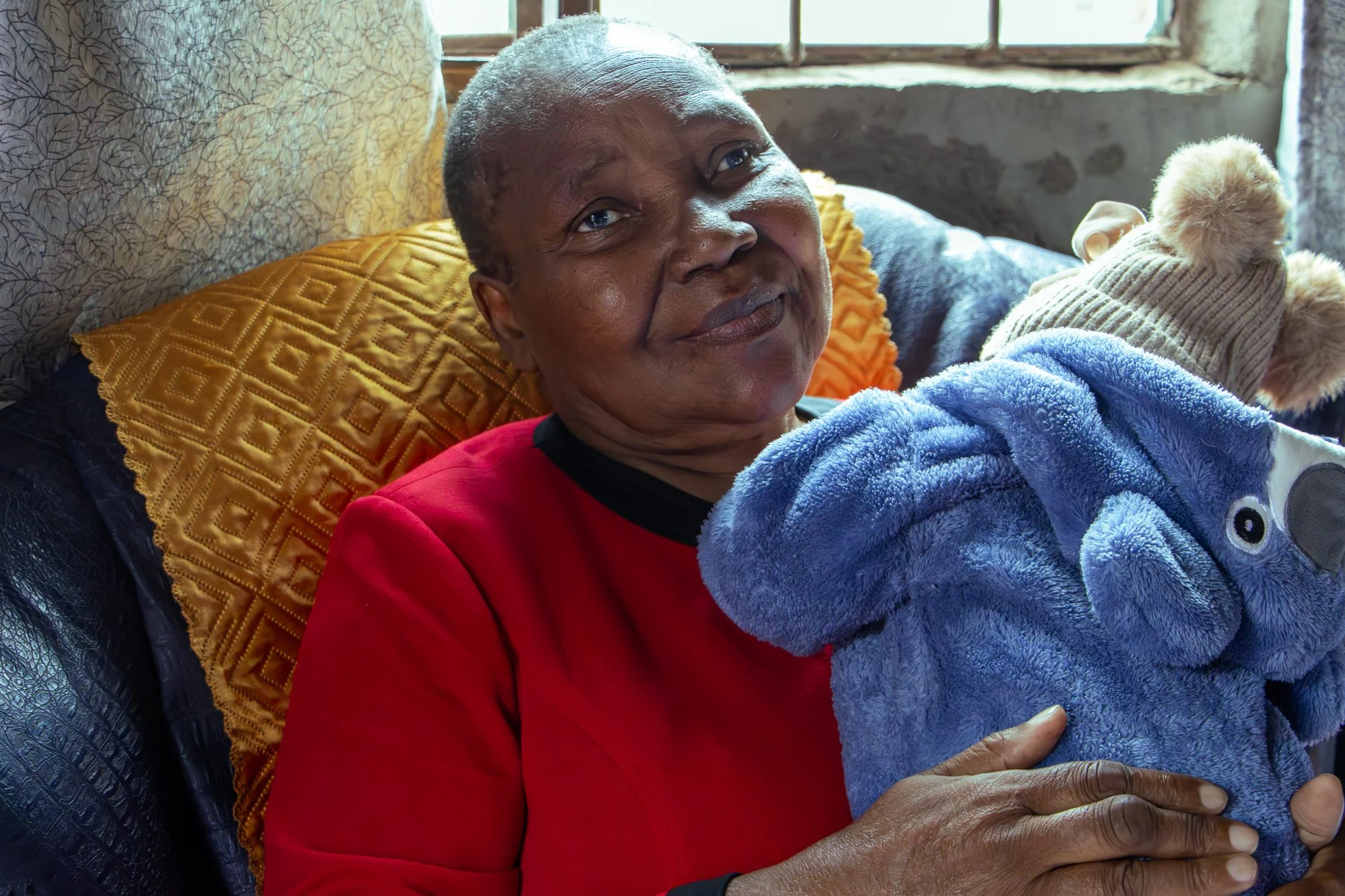
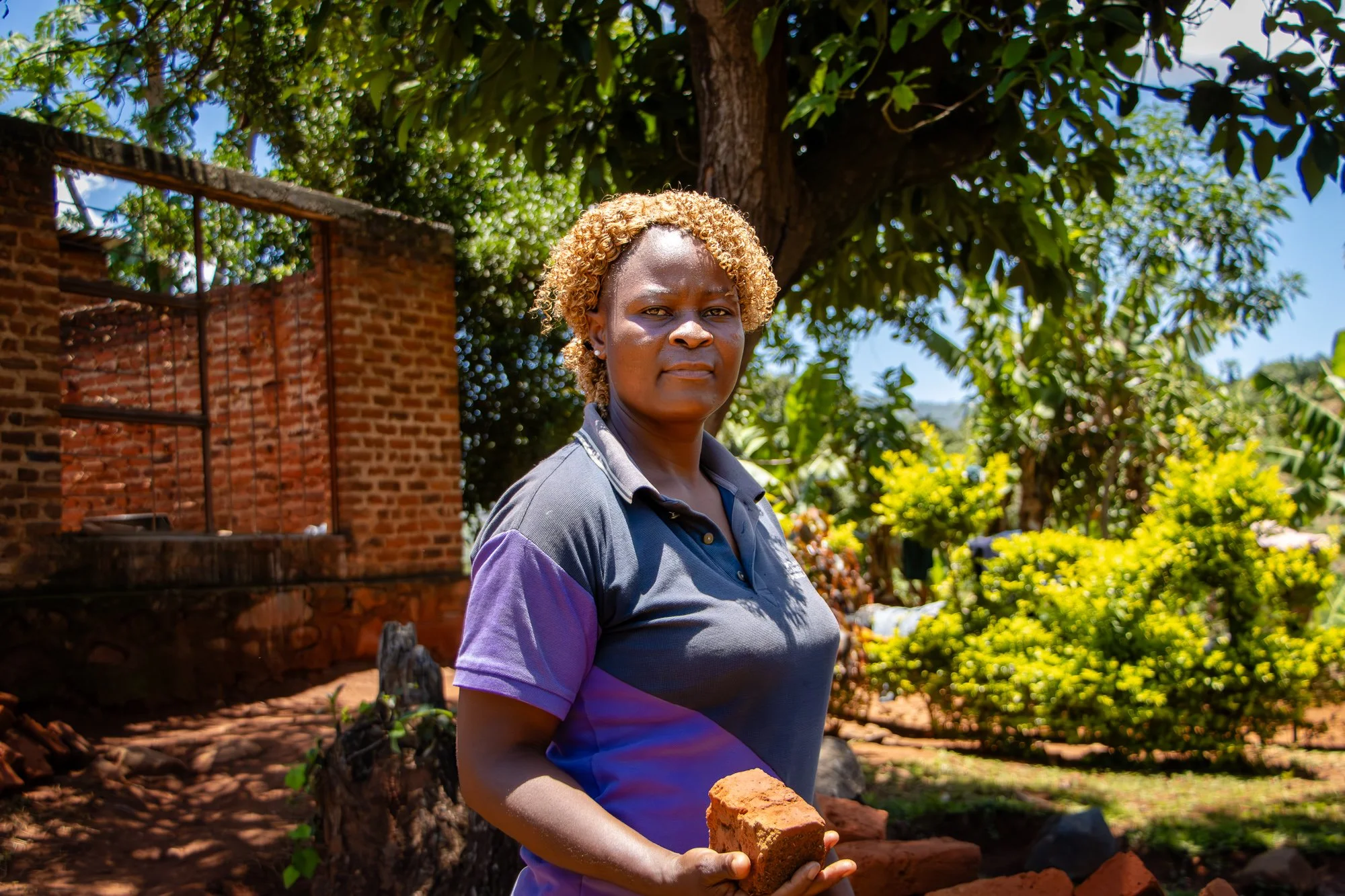
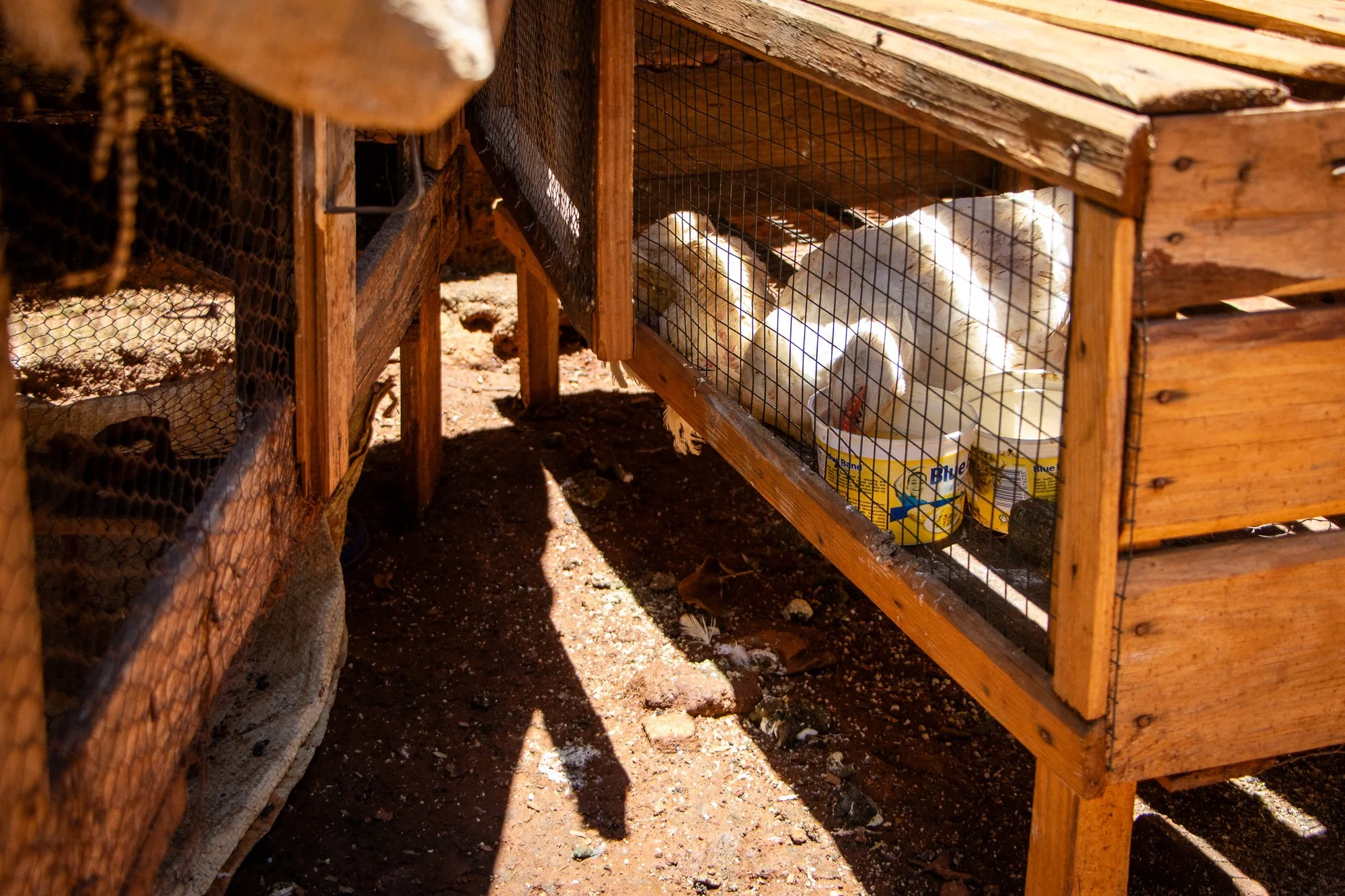
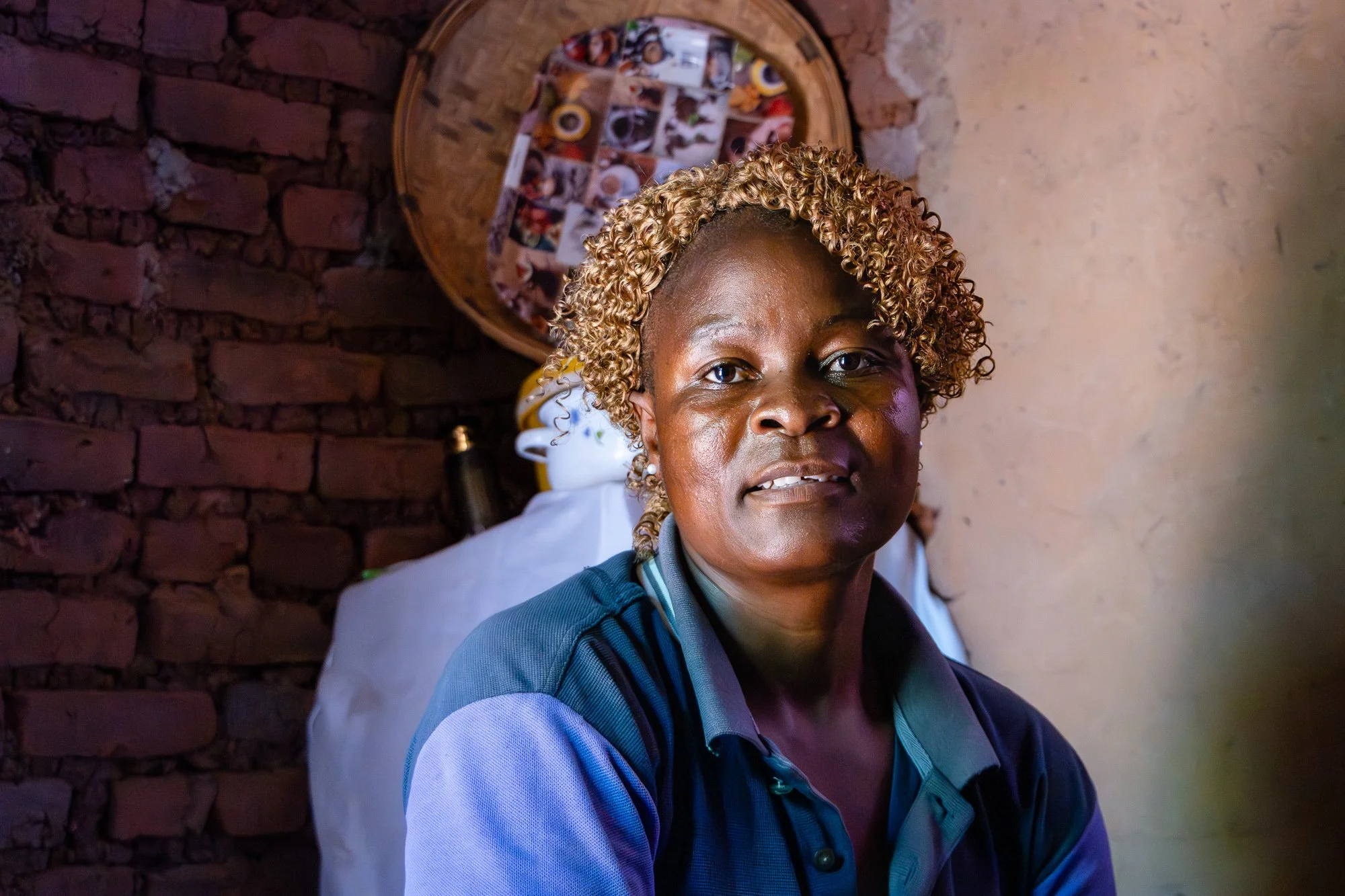
Talkmore Mufuya lives in Kopa, Chimanimani. She is a farmer, an entrepreneur, and a mother of three boys. In 2019, Cyclone Idai changed her life forever. During the storm, she lost her husband and her youngest child. She was badly injured and suffered a mild stroke.
Getting medical help was extremely difficult. The local clinic in Kopa could not be reached because roads had been destroyed. Six people carried Talkmore on foot to the nearest health facility. At the hospital, nurses attended to her before doctors confirmed she had suffered a mild stroke. She remembers this as one of the hardest moments of her life, but also recalls the relief of being reunited with her two surviving children.
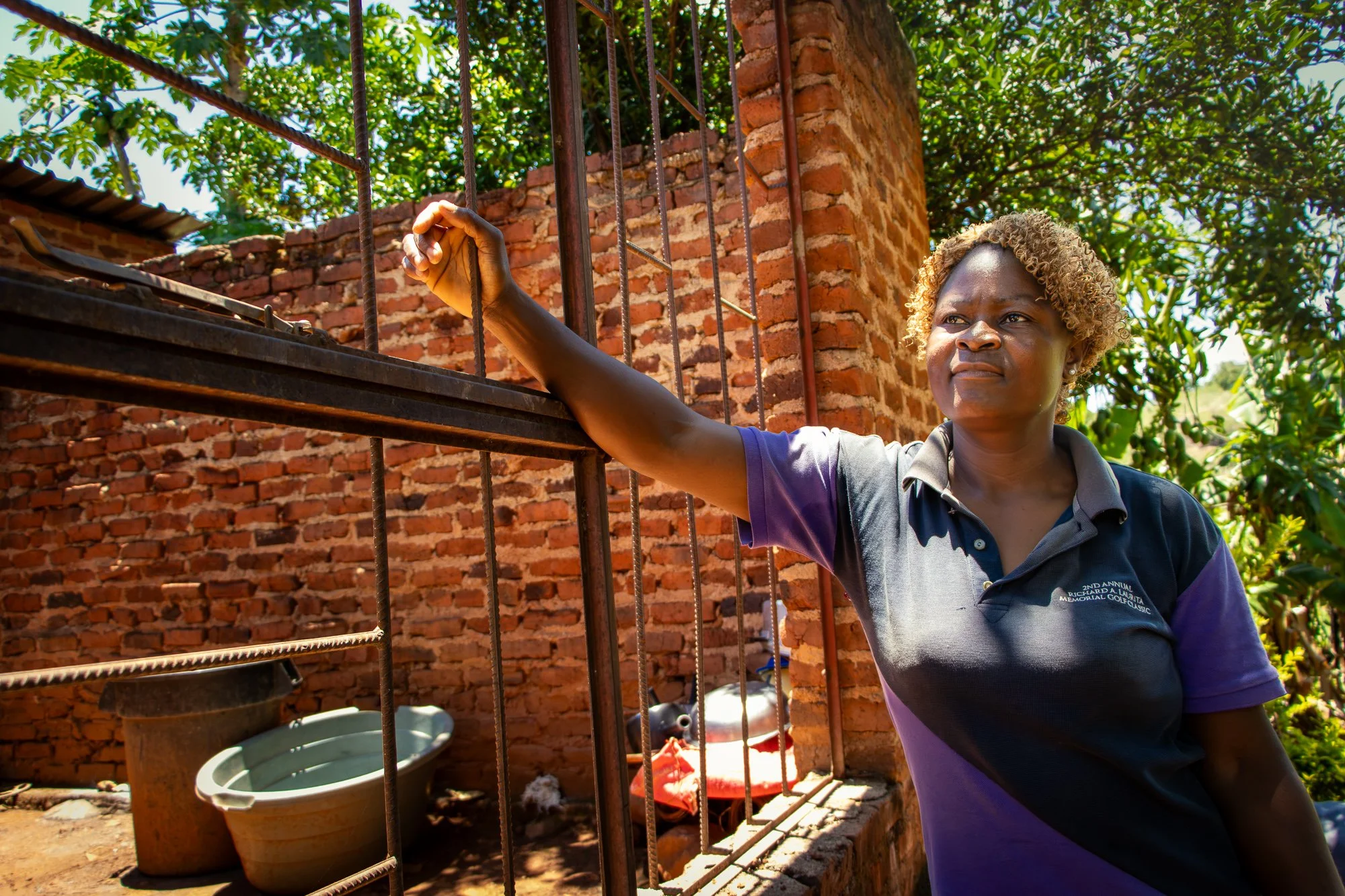
Before the cyclone, Talkmore and her husband had bought a stand on higher ground above Kopa township and had started building their home. That house along the one in Kopa Township were destroyed by the floods. In the years since, she has been rebuilding slowly. The new house now has a foundation, two rooms, and a roof. She continues to work towards completing it, brick by brick.
Rebuilding after Cyclone Idai:
Talkmore Mufuya
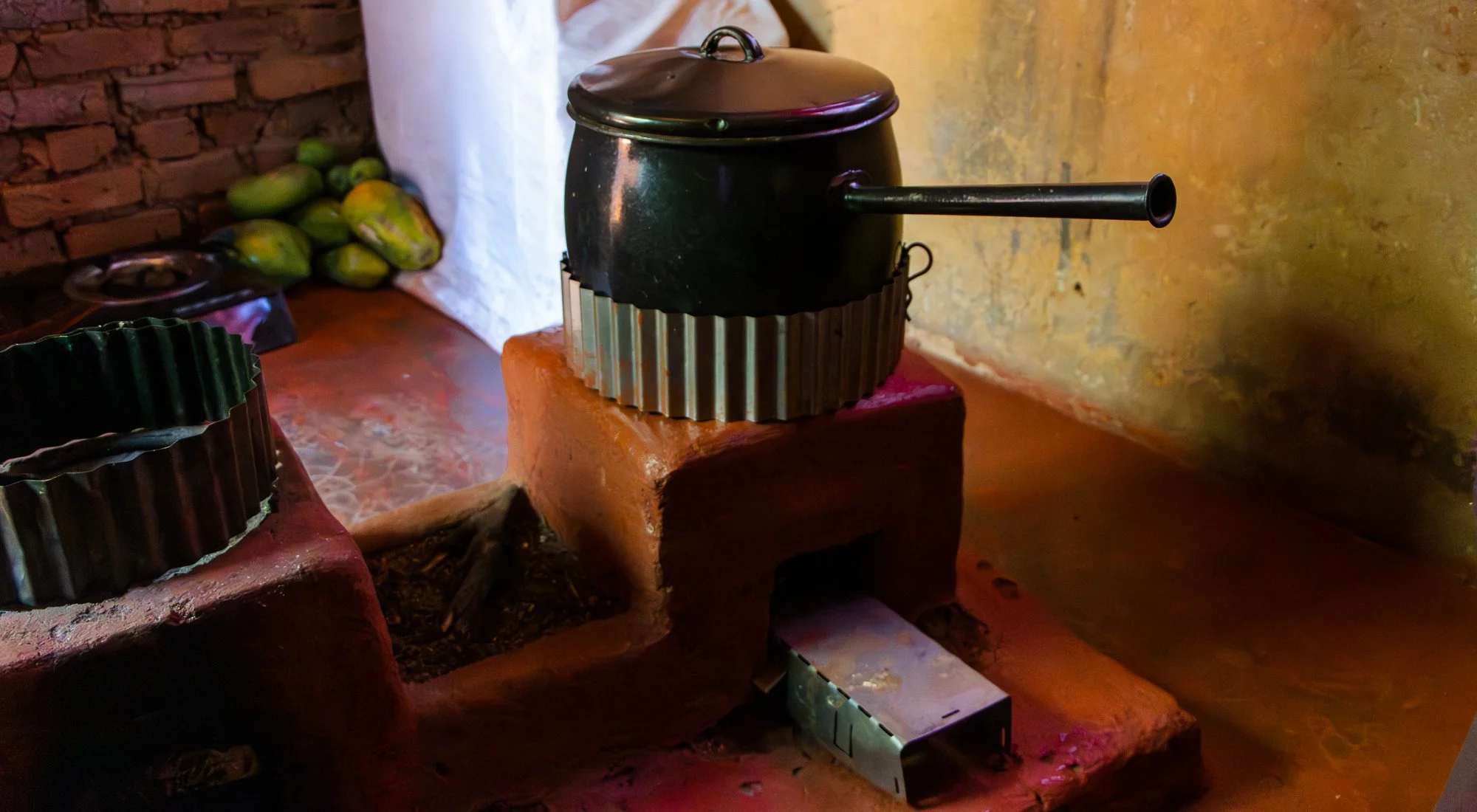
Inside her home, Talkmore uses a two-plate tsotso stove. When firewood is scarce, she relies on a gas stove. These choices are shaped by changing environmental conditions and limited resources, showing how climate shocks affect daily life and care work in women-headed households.
Talkmore also speaks about the emotional impact of Cyclone Idai on the Kopa community. Many people are still carrying deep trauma. Families were separated in the middle of the night. Homes, belongings, and places of safety were swept away. When she reunited with her children at the hospital, they were given donated clothes, some of them torn. She hesitated to let her children wear them, but they insisted. After everything they had seen, how people looked no longer mattered.
Although some psychosocial support was offered after the cyclone, Talkmore believes more consistent and long-term support is still needed. For women, especially mothers recovering from loss, injury, and displacement, disasters like Cyclone Idai place added strain on both physical and mental health. Recovery, she says, is not only about rebuilding houses, but also about healing bodies, minds, and families.
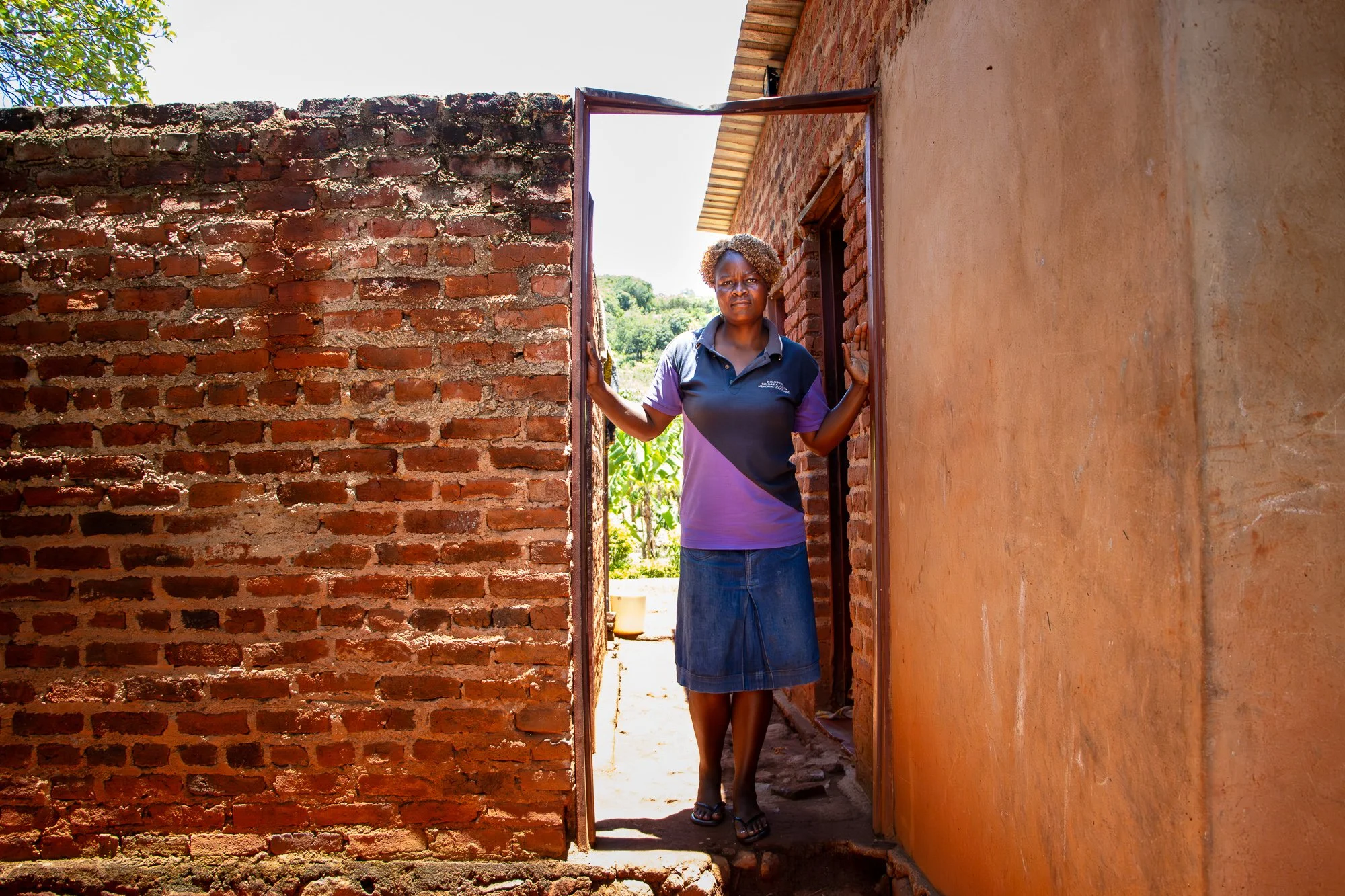
Young women in Action: Rutendo Chinyai
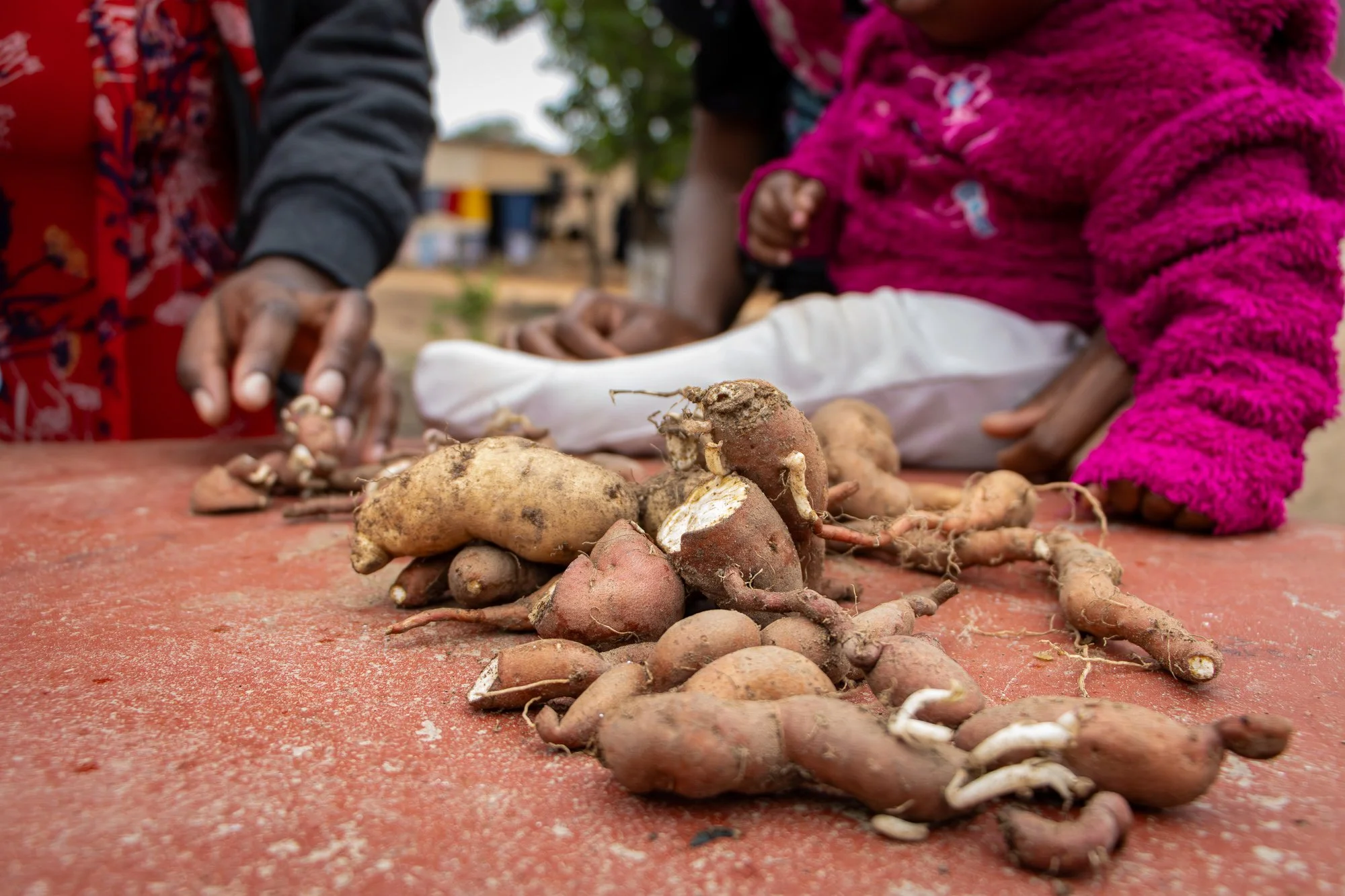
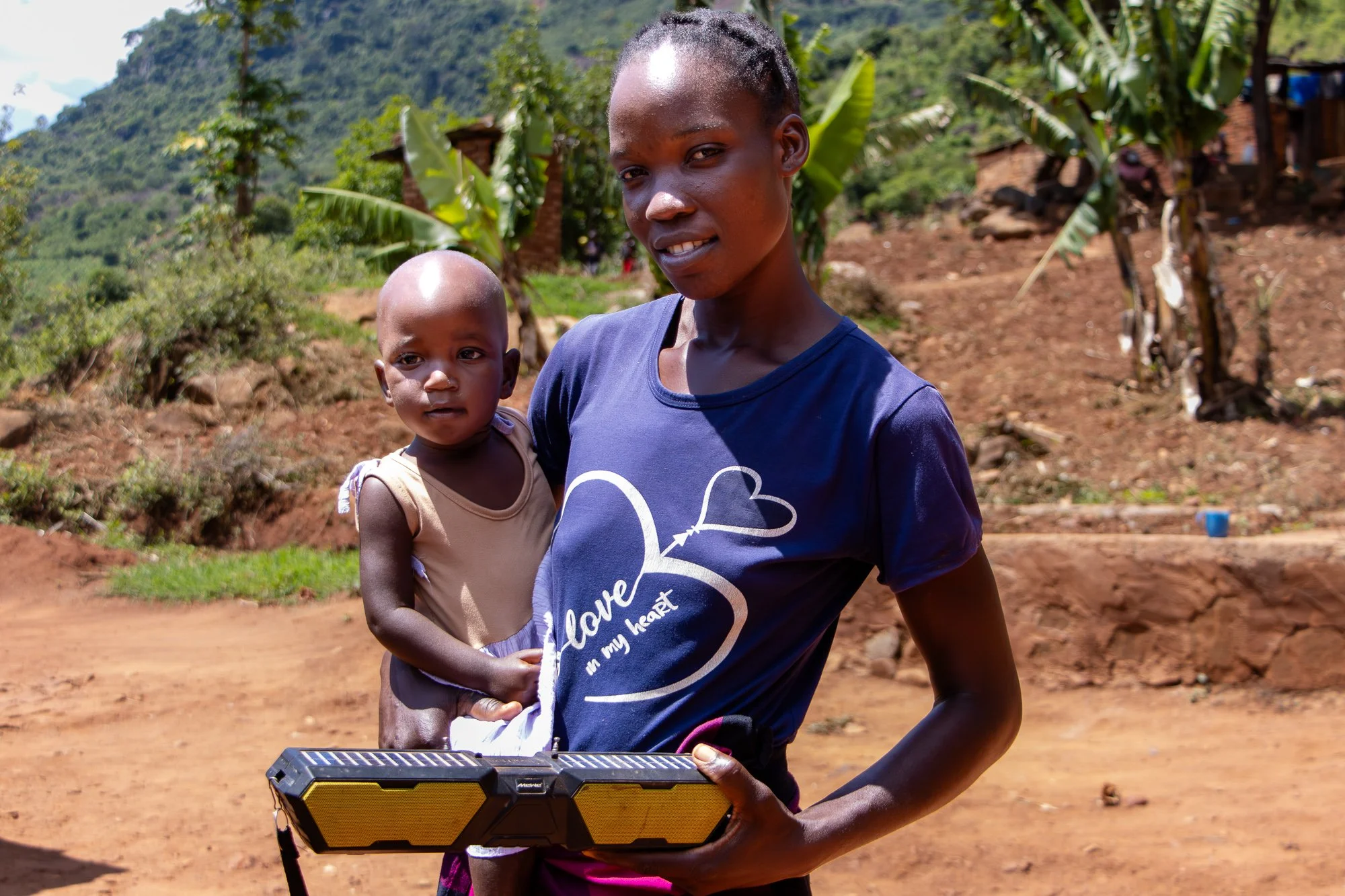
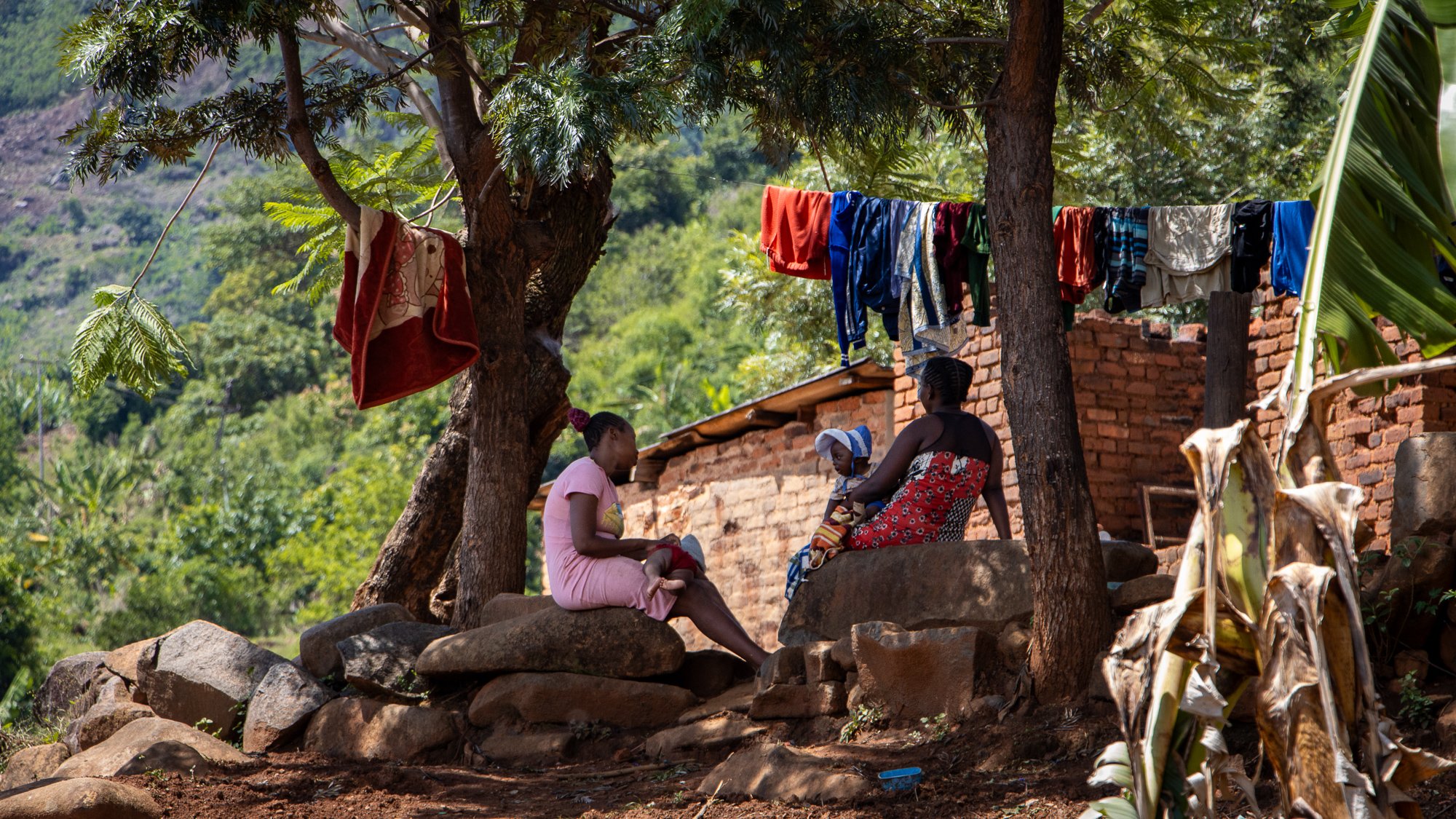
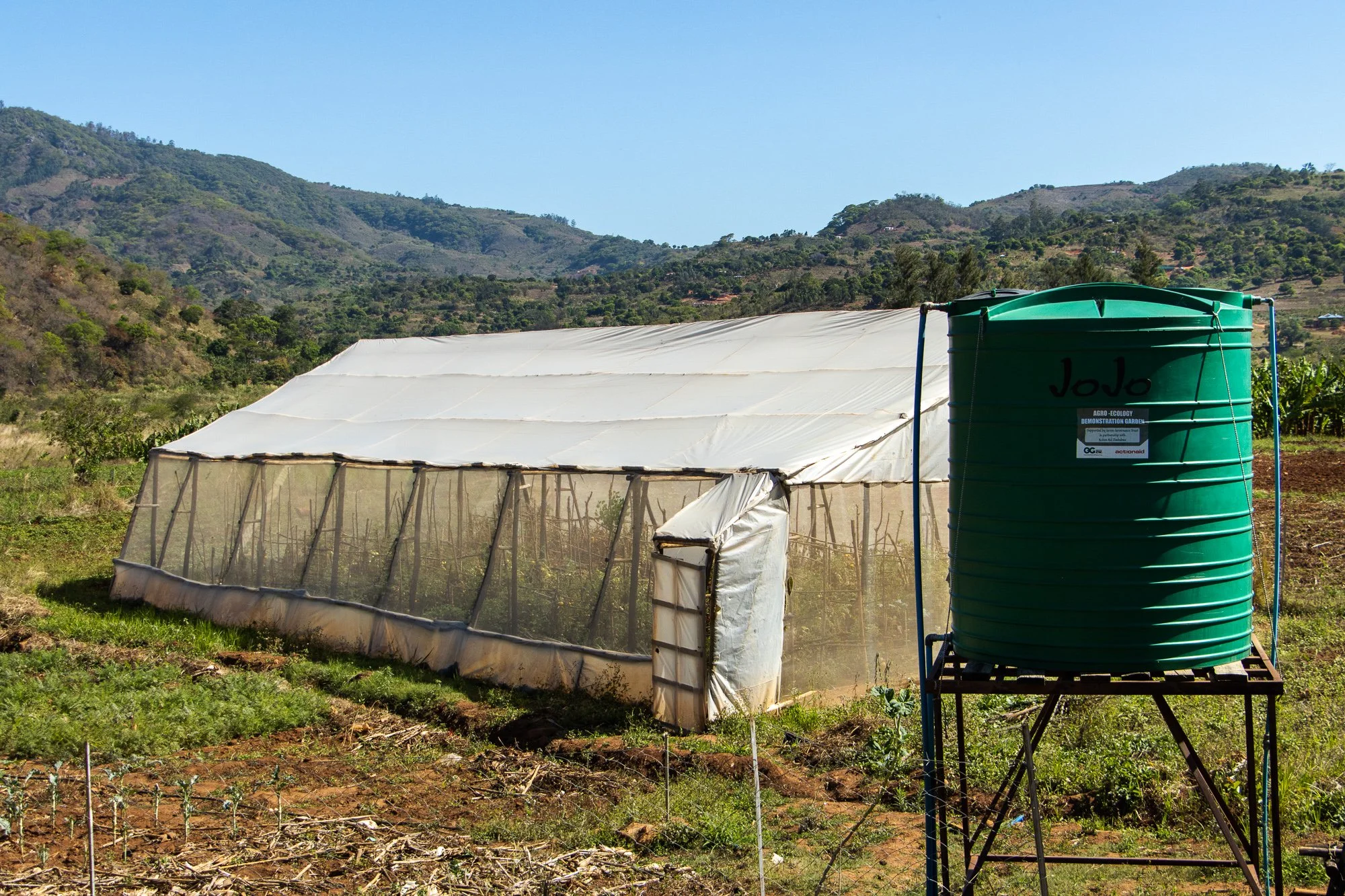
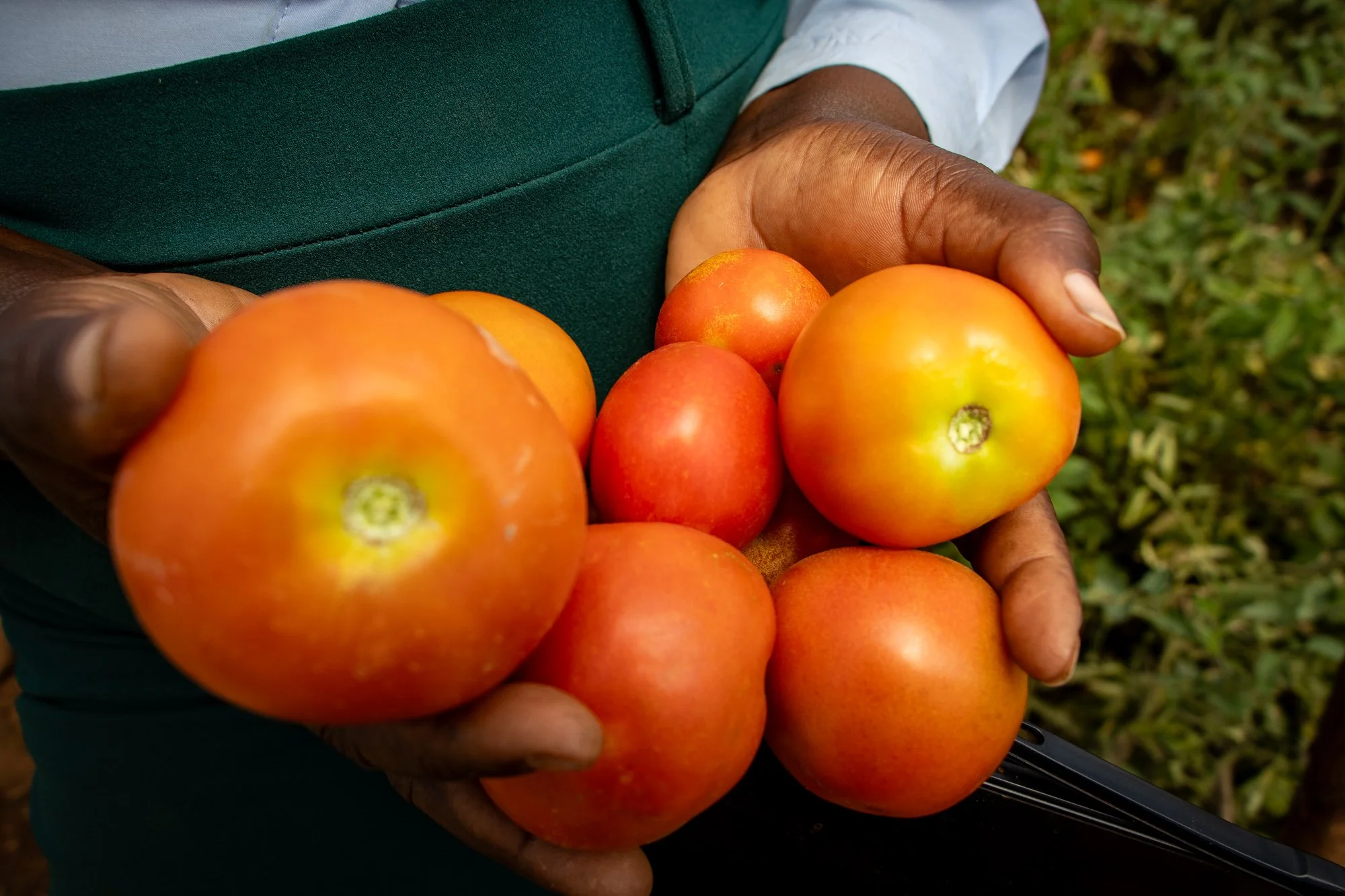
Rutendo is a smallholder farmer, entrepreneur, wife, and mother of two young children living in communal homestead. Reflecting on life after Cyclone Idai, she shares how she became part of a youth and women’s cooperative based at Green Governance Africa’s youth hub. Through the cooperative, members practise agroecology, participate in a savings group, and are encouraged to use renewable energy devices, ranging from radios to four-plate tsotso stoves.
Rutendo explains that navigating the health system becomes easier once you have given birth. With experience, women learn what is required to register a child, where to seek care, and when to do so. However, she notes that access becomes difficult quickly when funds are limited.
She also reflects on how access to quality healthcare has changed over time. In the immediate aftermath of Cyclone Idai, support was more visible. As recovery efforts slowed and organisations pulled back, accessing consistent and quality care became harder for families like hers.
Epworth
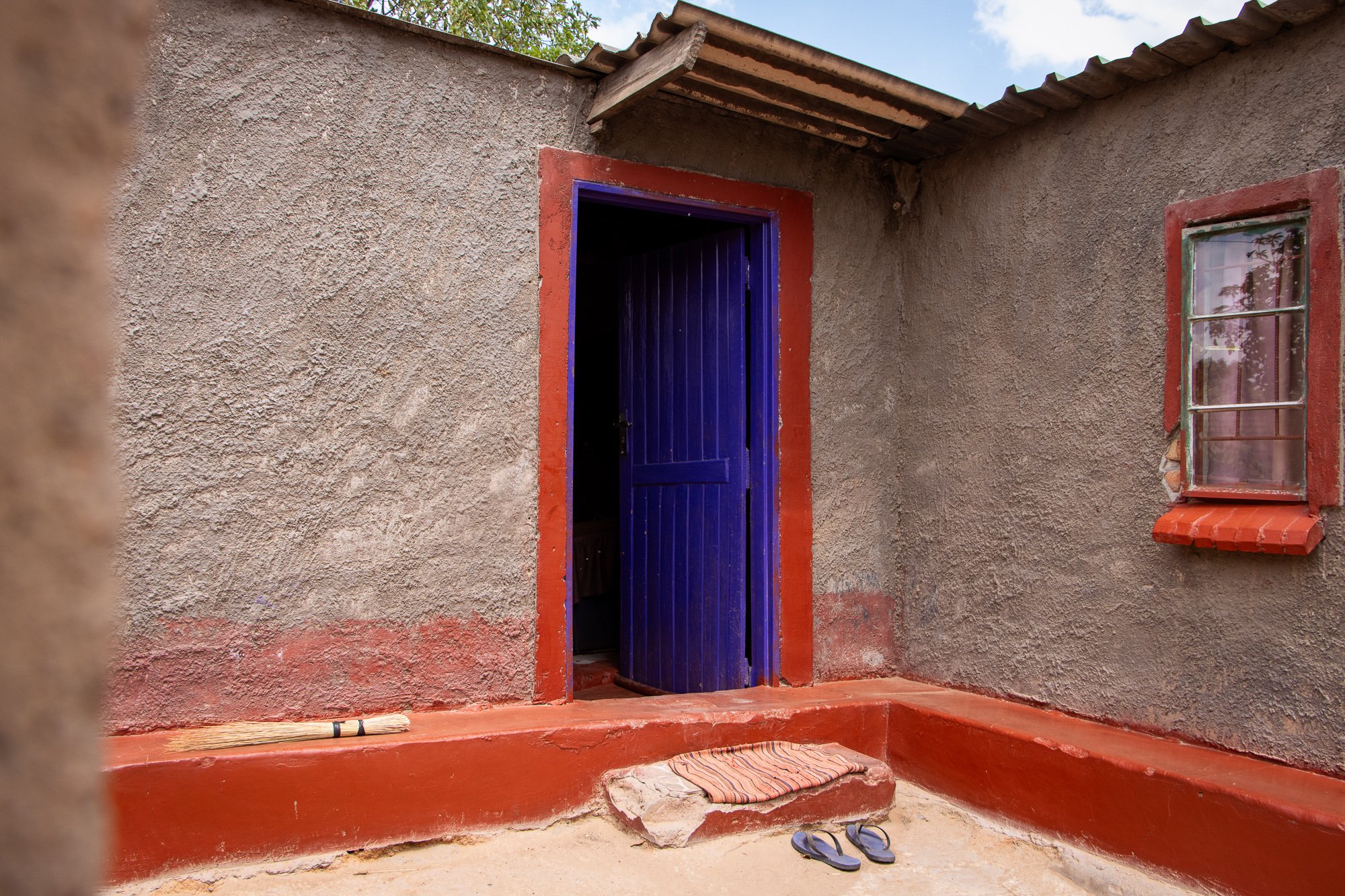
Creating Climate Resilient Health Communities: Purple Door Initiative
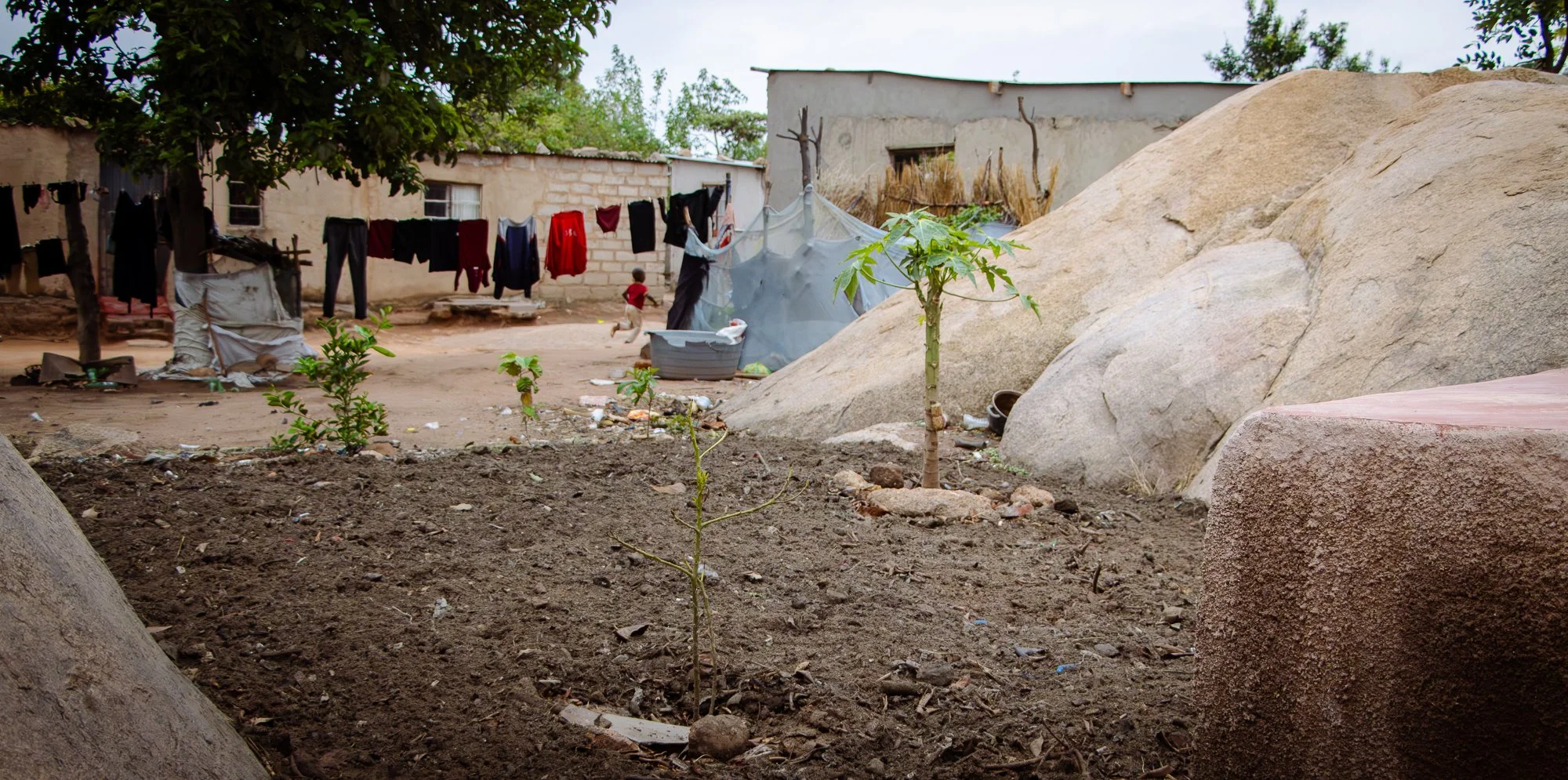
Epworth is home to more than 200,000 residents and lies about 15 kilometres from Harare’s central business district. It began as a Methodist mission in 1890 and, over time, grew into a large informal settlement, particularly during the 1970s and 1980s. Today, Epworth has town status and its own local authority board.
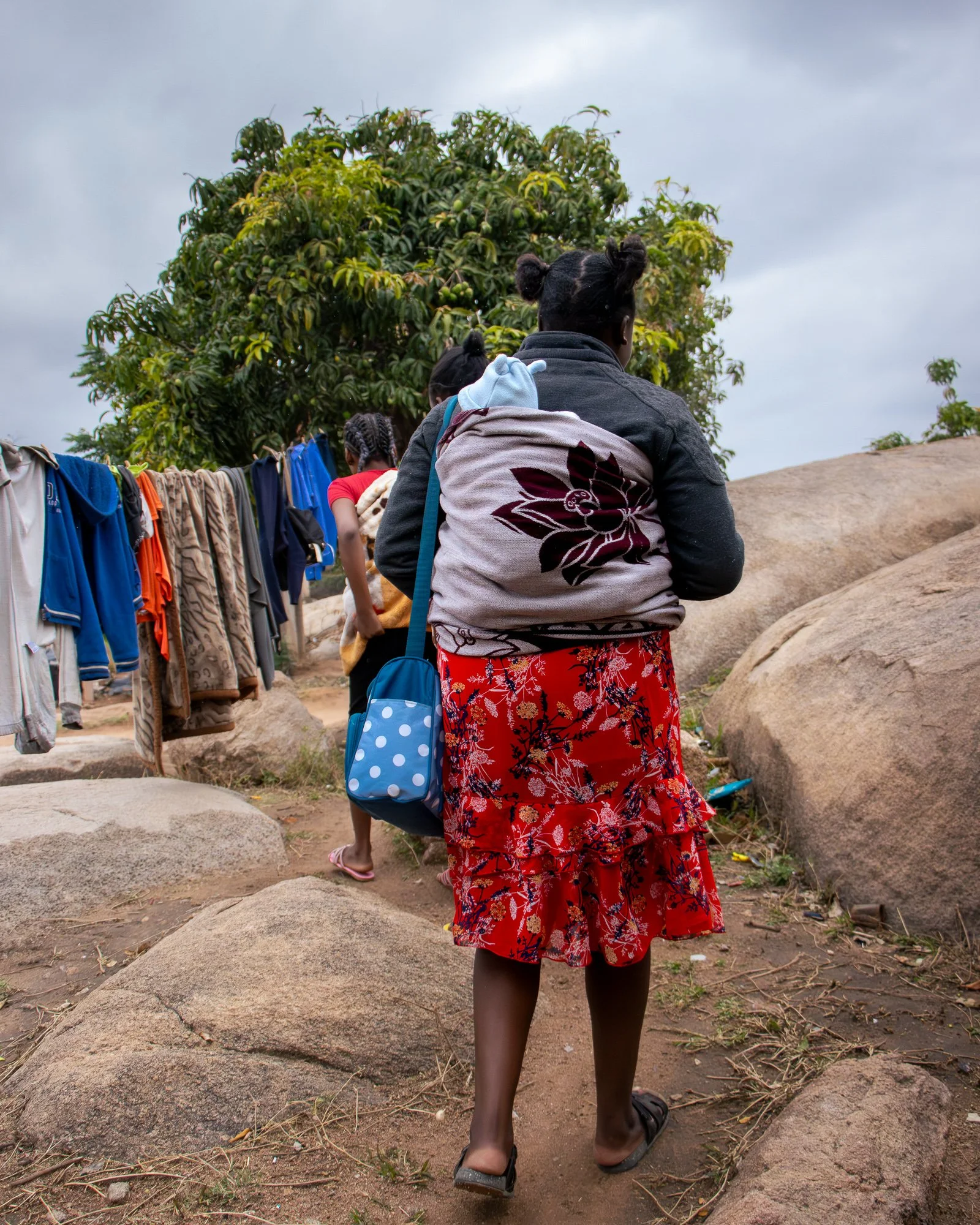
The settlement continues to grow, with high- and middle-density suburbs emerging alongside older, informal areas. Some communities, however, are located in places that put residents at risk of flooding. The rocky terrain and intense summer heat can make living conditions harsh, shaped by a microclimate that is increasingly unpredictable.
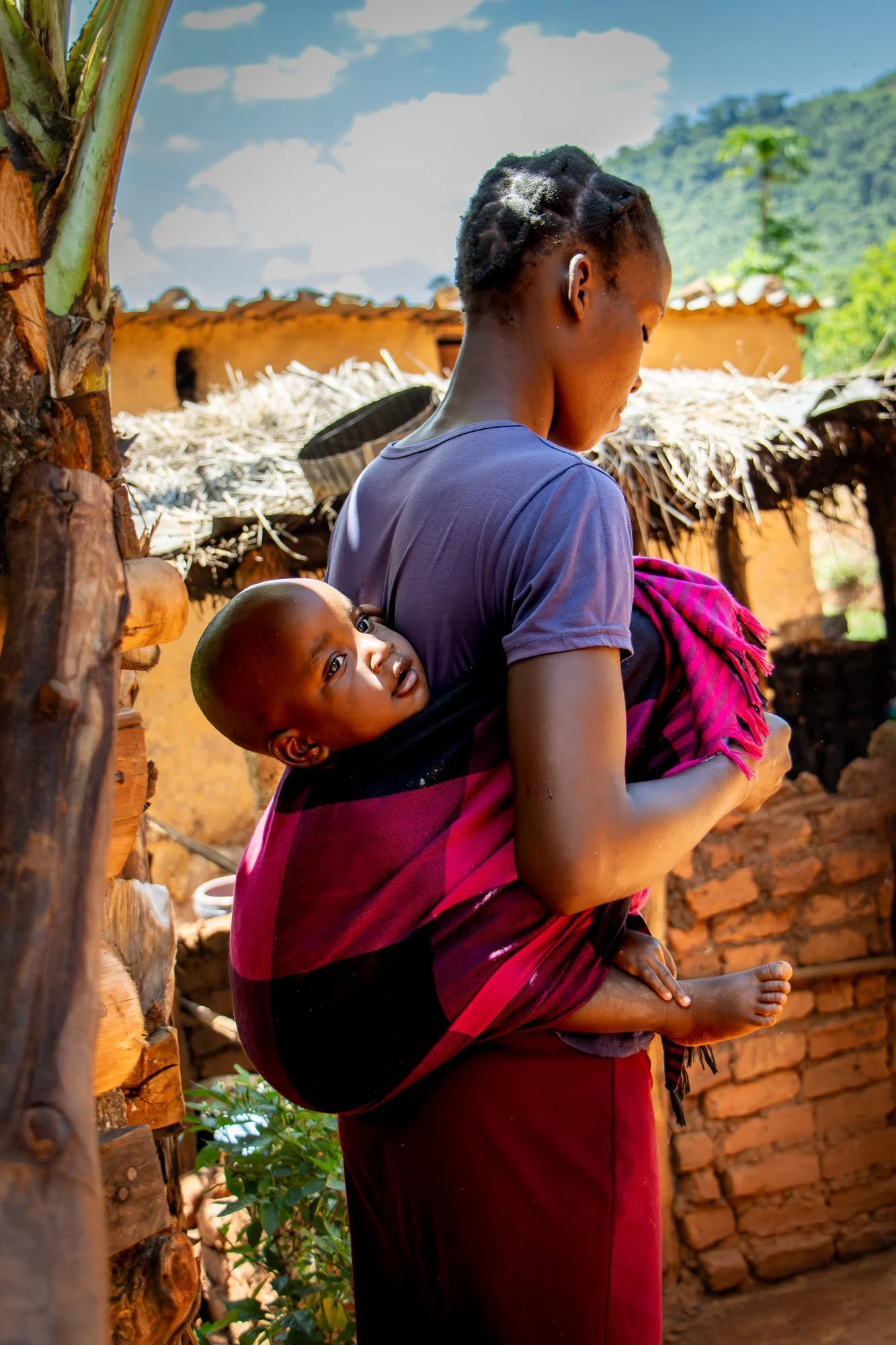
Like many Zimbabweans, people in Epworth face limited job and livelihood opportunities. For mothers, especially young women who rely on buying and selling produce or clothing; climate change has made earning a living more difficult. Unpredictable weather affects the availability of vegetables such as maize, which they often sell during the December and January period. Cooler temperatures during months that are usually hot also reduce demand for summer clothing like dresses and spaghetti tops, cutting into already fragile incomes.
Melody Nyakundanga, founder of the Purple Door Initiative and a gender-based violence counsellor, observes that one of the biggest drivers of conflict in homes is dzara—hunger. Men may walk long distances to Mbare or the city centre in search of casual work, only to return home empty-handed. When there is no food in the household, frustration can build, leading to increased tension and, in some cases, violence.
With limited income and rising numbers of young mothers, access to maternal and neonatal healthcare remains a challenge. Interviews reveal that both the cost and quality of care are major concerns for expectant mothers. Although policies exist to provide free healthcare for women from low- or no-income households, gaps in implementation and out-of-pocket expenses continue to create barriers
In these circumstances, traditional birth attendants often step in, providing emergency delivery support for women who cannot reach clinics or hospitals in time. After birth, they encourage and assist mothers to seek follow-up care at health facilities to prevent complications. Their role has become an important, though informal, part of maternal care in a community navigating climate stress, poverty, and uneven access to services.